
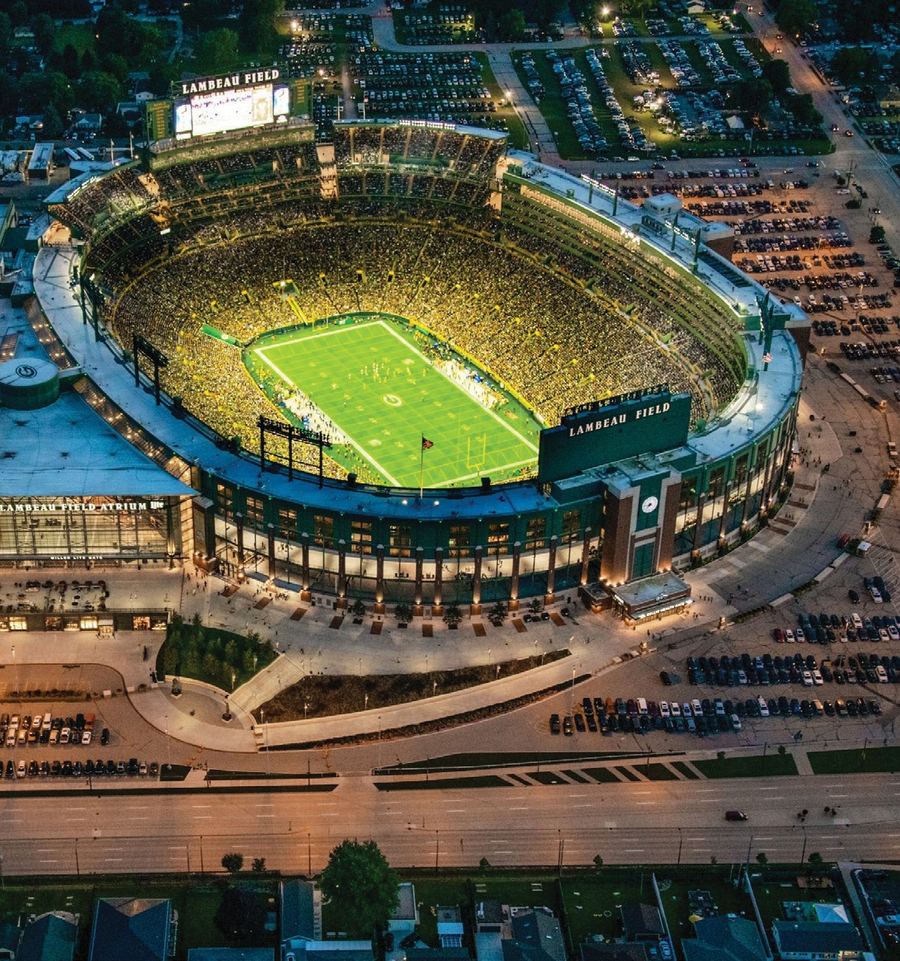
Home › Projects › Green Bay, Wisconsin
Police · Staffing & Comparative Analysis
Green Bay Police Department Staffing Analysis
CPS computed Green Bay’s patrol and investigative staffing requirement from the department’s own 2022 call and case volume, set the result against eight comparable Wisconsin departments, and recommended the city commission a full staffing and space needs study on the strength of the findings.
The engagement
What We Did
The Center for Public Safety was retained by the City of Green Bay and Berners Schober Architects to analyze the staffing of the Green Bay Police Department and to compare it against departments operating under similar conditions. CPS identified more than twenty candidate agencies in Wisconsin and neighboring states, issued a structured information request to each, and obtained complete comparable data from eight Wisconsin departments: Beloit, Fond du Lac, Manitowoc, New Berlin, Oshkosh, Wausau, Wauwatosa, and West Allis. Those eight formed the comparison set, and CPS built matrices from them covering personnel allocation, job responsibilities, operational structure, and service delivery model, noting throughout where a difference in call taking, dispatch, booking, or community outreach made a raw comparison misleading.
The staffing requirement itself was computed from Green Bay’s own workload rather than from the comparison set. Working from the 71,382 emergency calls for service the department handled in 2022, CPS applied an average handling time, added the established allowance for report writing, training, relief, vehicle servicing, supervision, and preventive patrol, divided by the hours needed to staff one patrol element for a year, and then applied an availability factor of 2.20 derived from 1,658 actual duty hours per officer. The computation returned a requirement of 97 patrol officers, a figure covering patrol alone and excluding the chief, command staff, and all sworn personnel assigned elsewhere. Investigative staffing was modeled separately from available case hours per detective, 1,248 hours against an average of ten hours per case, giving a sustainable caseload of 124 cases per detective against the sixteen detectives then working cases.
The comparison set served as the check on that conclusion rather than the basis for it. CPS closed by recommending that the city commission a full staffing and asset allocation study paired with a space needs study, so that the department and the city administration would have the evidence required before committing to a facility, and the analysis established the foundation for the city’s next phase of pre-design work.
Related work
Other Engagements
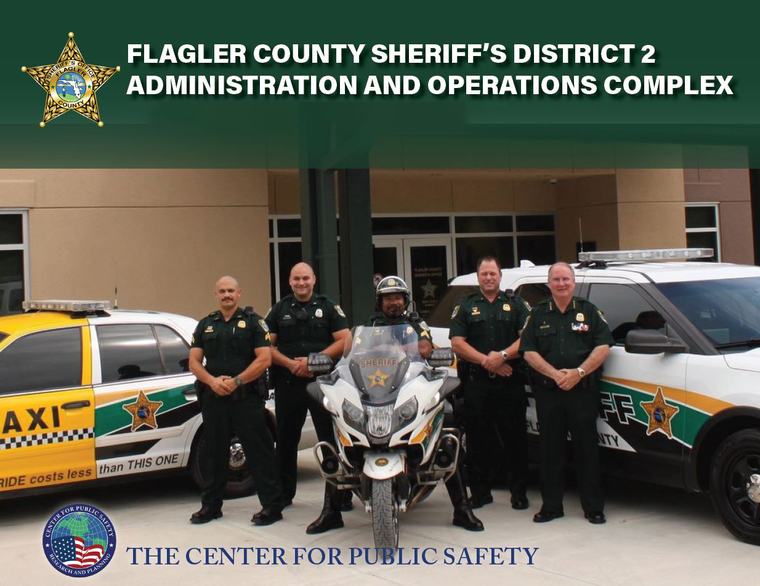
Flagler County, Florida
Flagler County Sheriff’s Operations & Administration Center
CPS delivered a spatial needs assessment for a new Flagler County Sheriff’s Office facility, programming the consolidation of four operations onto a single county-owned Palm Coast site with requirements projected to 2040 and space and cost options reported at the Year 2030 milestone.
View project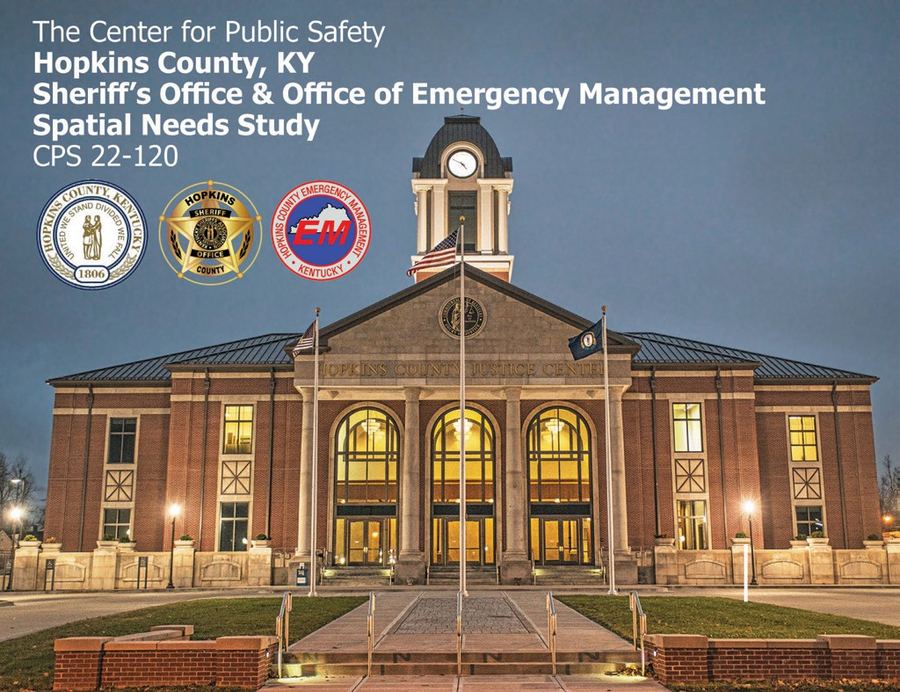
Hopkins County, Kentucky
Hopkins County Sheriff & Emergency Management Assessment
CPS completed a program and spatial needs assessment for a new combined Sheriff’s Office and Emergency Management facility in Hopkins County, projecting 30,790 square feet across eleven functional areas over a twenty-year horizon.
View project
Swatara Township, Pennsylvania
Swatara Township Municipal Campus Study
CPS conducted a township-wide space needs study covering police, fire, fire administration, EOC and EMA, highway, and administration functions, and was subsequently engaged to lead a community outreach effort supporting the project.
View projectStart the conversation
Tell Us What Your Agency Is Facing.
Most agencies call us about a budget request, a growth pressure, or the start of a facility project. A short conversation is usually enough to tell you whether a study is the right next step, and what it would involve.